Europe Passages – Quiet Alpine Corridors
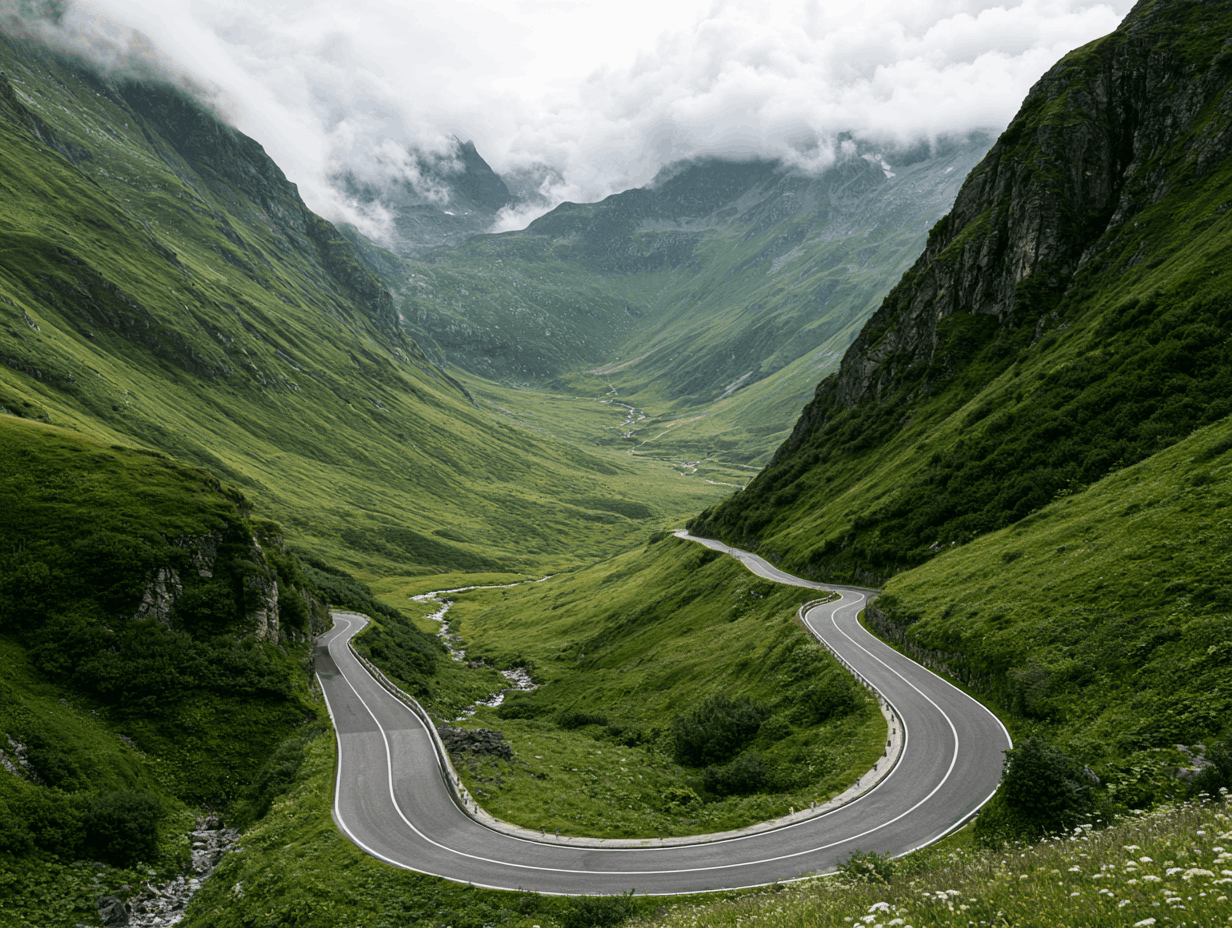
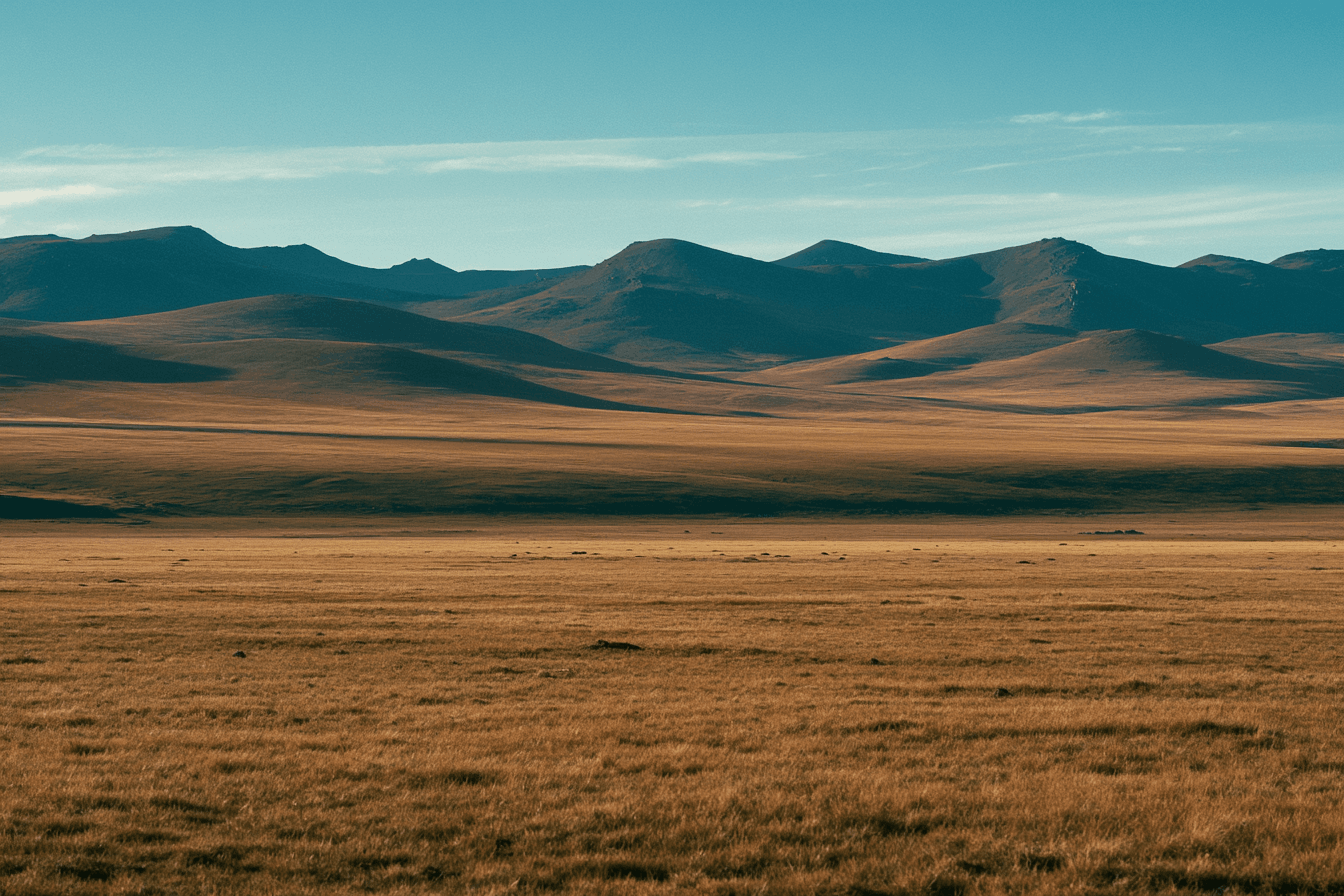
Five lesser-used mountain and valley routes linking Switzerland, Austria, and northern Italy.
The main alpine roads fill quickly in summer, yet a set of quieter corridors still crosses the same mountain chain with far less traffic. These five passages connect valleys in Switzerland, Austria and northern Italy through secondary roads, local trains and short bus links. Each one stays open for most of the warm season and offers a slower way to move between the three countries without joining the heavy streams of the classic passes.
Main routes
The first corridor follows a lesser valley from the Swiss side into northern Italy, using a combination of regional train and a short mountain bus that ends in a quiet Italian town. The second runs east through a series of Austrian side valleys before dropping toward the Italian border on a road that sees mostly local traffic. The third links a Swiss highland village with an Austrian counterpart via a high but well-kept secondary pass that remains quieter even in peak months. The fourth combines a lakeside path with a short rail segment that avoids the busiest tunnels and emerges in a less-visited Italian valley. The fifth is a longer chain of three small valleys connected by local buses, starting on the Swiss plateau and finishing on the Italian side after a gradual descent.
Alternative passages
When one of the higher roads closes after early snow, the lower rail lines that run parallel often stay open and can replace the mountain segment. A few of the routes allow a simple reversal, so you can start on the Italian side and work north if the weather looks better that way. In midsummer some of the bus services increase frequency, giving extra departure times that the basic timetable does not show. If a single corridor feels too long for one day, overnight stops in the middle valleys are easy to arrange and break the journey naturally.
Tips for the traveler
Timetables for the local buses and small trains change more often than the main lines, so a quick check the evening before helps. Some of the higher sections have limited mobile signal, which makes an offline note of the next connection useful. Weather can shift faster in the side valleys than on the open plains, and a light rain layer is worth carrying even on clear mornings. Food stops are simple and local; larger towns appear only at the ends of each corridor. Starting early keeps the roads and paths quieter and leaves room if a connection runs late.
When the corridors work and when they do not
These quieter alpine passages are most practical from late spring through early autumn when the secondary roads and bus links operate fully. They suit travelers who prefer fewer vehicles and more open views rather than the fastest crossing. The same routes become limited once the first heavy snow arrives, and some of the higher buses stop for the season. They also lose their calm if you try to rush all five in a short trip; the point is the slower rhythm. For anyone ready to move in stages and follow the local schedules, these corridors still open some of the least crowded ways through the central Alps.
Occasional notes on fresh routes, seasonal changes and useful fixes. No frequent messages.
© 2026 Open Passage Expedition LLC. All rights reserved.
